
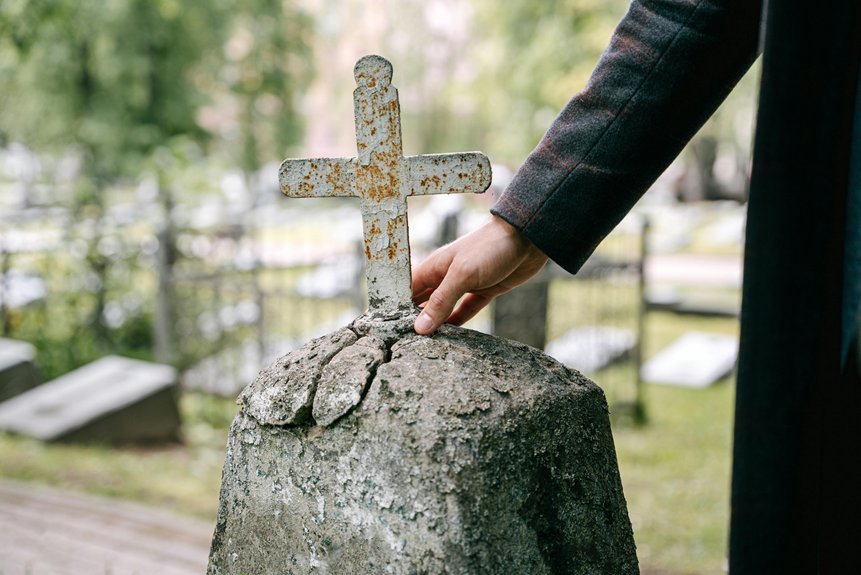
When Genghis Khan died, his burial was marked by intense secrecy to protect the site from disturbance, reflecting Mongol respect for power and spiritual beliefs. Witnesses were reportedly silenced to guarantee the location remained unknown. These customs emphasize the cultural importance Mongols placed on honoring leaders through rituals connecting nature, ancestry, and social order. Over time, myths grew around his burial, blending fact and legend. Exploring further reveals how these practices shaped Mongol traditions and legacy.
Historical Accounts of Genghis Khan’s Death and Burial
Although the exact details surrounding Genghis Khan’s death remain somewhat unclear, historical accounts consistently highlight the secrecy and reverence that accompanied his burial.
You should know that Genghis Khan’s demise is shrouded in mystery, with various burial legends suggesting deliberate efforts to conceal his resting place. These stories emphasize respect for his power and the desire to protect his legacy.
While the precise location of his grave is unknown, historical records agree that his burial was conducted with great care, reflecting the cultural significance of honoring a leader who shaped freedom and conquest across vast territories.
The Role of Secrecy and Myth in Mongol Funeral Practices
The careful measures taken to protect Genghis Khan’s Genghis Khan burial site reflect a broader pattern of secrecy and myth within Mongol funeral customs.
These secrecy rituals aimed to guard the site from disturbance and maintain spiritual sanctity. Myth origins surrounding the burial have grown over time, blending fact and legend to reinforce the mystique.
You can see this in how:
- Witnesses were silenced to preserve secrecy
- Stories evolved to explain the unknown details
- Rituals merged practical protection with spiritual beliefs
Understanding these practices reveals how secrecy and myth shaped Mongol traditions, ensuring both respect and enigma endured.
Cultural Significance of Burial Customs in Mongol Society
When you examine Mongol burial customs, you quickly realize they serve as more than just final rites; they reflect core values and social structures within Mongol society.
Burial symbolism plays a key role, representing respect for the deceased and the community’s connection to nature and the spiritual world. These customs express ancestral reverence, emphasizing the ongoing influence of forebears in daily life and governance.
Frequently Asked Questions
What Items Were Buried With Genghis Khan?
You won’t find clear records of burial treasures with Genghis Khan, as historical artifacts remain elusive. His grave’s secrecy protects freedom from disturbance, keeping those treasures hidden and preserving the mystery surrounding his final resting place.
How Did Mongol Funeral Rituals Compare to Other Nomadic Tribes?
You’ll find Mongol traditions embraced unique nomadic customs, valuing secrecy and simplicity in funeral rites. Unlike others, they avoided public displays, reflecting their fierce independence and respect for freedom even in death’s rituals.
Were Women Involved in Genghis Khan’s Funeral Ceremonies?
Yes, women played a role in burial practices, acting as mourners and participants. You’ll find their involvement symbolized respect and helped preserve freedom in traditions, blending honor with the spiritual journey of Genghis Khan’s funeral.
What Role Did Shamans Play in the Burial Process?
Shamans guided the burial with shamanic practices, ensuring spiritual significance. You’d see them perform rituals to honor the soul’s journey, connecting the physical and spiritual worlds, giving the ceremony a deep, freeing meaning.
How Have Modern Discoveries Changed Views on His Burial Site?
You’ve seen how recent archaeological findings challenge old burial theories, showing his site’s secrecy was deliberate. These discoveries invite you to question accepted history and embrace a freer, more open understanding of his legacy.
About the Author